
Thematic Areas
-Our Solutions -
Background
For the at least four decades, South Sudan went through protracted war and conflict with Sudan’s government which caused prevalent and persistence violence, population displacement and severe poverty in the region .On the 9th of July 2011, South Sudan got independence from Sudan. As a result of the longest war of decades, the country has been facing pervasive civil war and continuous tribal and sectional violence. Since 15th of December 2013, two years after independence, the Country has been experiencing tragedy of internal conflict that disrupted, displaced and worsened the lives of rural communities.
The situation was made worse with July 2016 conflict in Juba that caused humanitarian catastrophes and displacements of 2.4 million people as refugees in the neighboring countries of Uganda and Kenya. An estimated 1.7 million people are internally displaced and 5.5 million people are subjected to severe food
insecurity. The Country is severely suffering from hyperinflation and skyrocketing prices in the economy.
According to 2008 census, South Sudan had a population of 8.26 million people, and the current projection indicates that the population is approximately 12 million people. At least 83% of this population lives in rural areas and 51% live below poverty line. At least 55% of the poor population lives in rural areas
compared to 24% poor who live in urban areas. The Country has vast area of land with 644,329 sq. kilometers out of which 75% is suitable for agriculture, but only 4% of this total land area is cultivated.
Based on the information and challenges highlighted above, IHDO has designed the following core programs:
- Food Security and Livelihood Project (Agriculture and IGAs)
- Peace Building/Reconciliation and Conflict Management
- Support to Orphaned and Vulnerable children (Education programme)
- Health and Hygiene
- Human Rights and Good Governance Promotion and Child Protection
- Tree planting (to be mainstreamed)
Solutions
Over the last three (3) years, IHDO registered the following Sector achievements
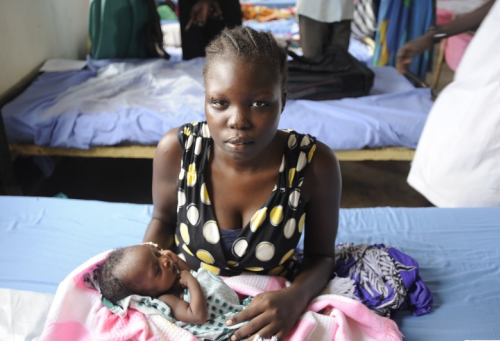
Maternal Health
Maternal health initiatives encompass a range of programs aimed at supporting mothers and their children, ensuring healthier pregnancies and early childhood development.
Key components include;
- Maternal child health (MCH)
- HIV/Aids intervention in schools and in communities
- Malaria intervention program
- Antenatal care.
- Community based nutrition motherly support infant child feeding Program(IYCFP)
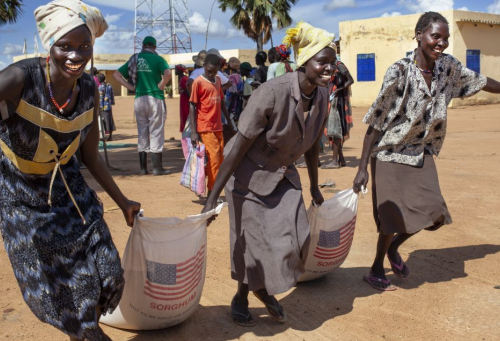
Food Security
Food security and livelihood programs focus on enhancing community resilience and self-sufficiency.
Key initiatives include;
- Capacity building on modern farming system
- Supply of farming materials e.g. farming tools, seeds and agriculture related items.
- Distribution of food items, general food distribution program to address hunger
among the local communities. - Warehousing management control.
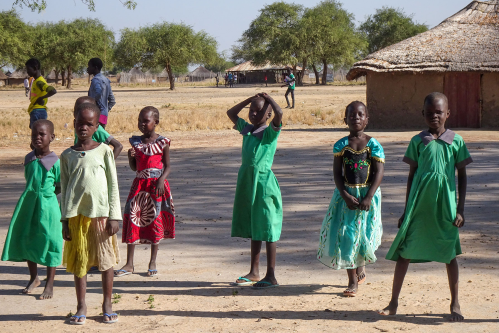
Child protection
These initiatives focus on safeguarding children from abuse, exploitation, and neglect, while also promoting their rights to education, health, and well-being.
Key initiatives include;
- Support vulnerable children in the street and orphans.
- Raise awareness to the communities on children support.
- Support of rehabilitation, Social integration of internal displaced Persons ( IDPs
and returnees. - Raise awareness on the negative impacts of early child and forced marriage
Education
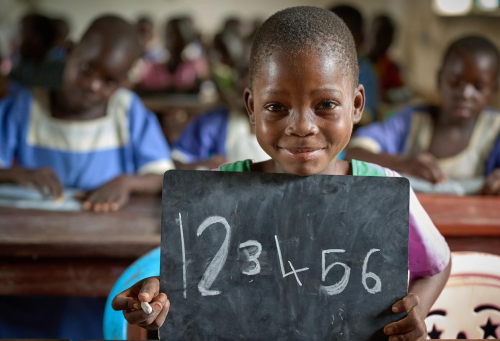
Education programs aim to improve access to quality learning opportunities for individuals of all ages within the community
Key initiatives include;
- Scholarships for post-primary education.
- Construction and renovation of schools facilities.
- Support, advocate and sensitize local community’s groups on importance of education
- Training of schools management PTA committees.
- Support adult literacy program.
- Support of schools materials including sanitary towels kits for girls.
Conflict resolution and Peace building
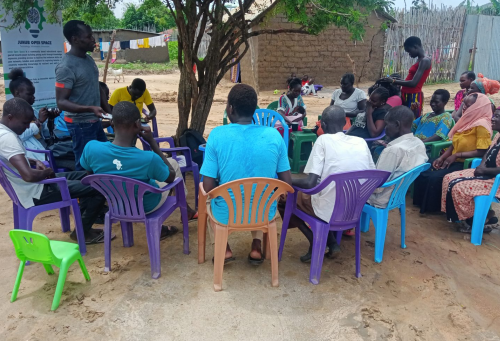
Our conflict resolution and peace-building programs focus on fostering harmony and stability within communities .By empowering civil society and strengthening community peace structures through targeted training, we help build resilience and unity
Key activities include;
- Conflict mitigation, restitution justice and reconciliation.
- Facilitating of civil authorities to manage conflicts.
- Human rights education and victims support.
- Safer community support and awareness.
- Civil community empowerment
- Training and empowering the community peace structure.
- Psychosocial support
Humanitarian Services
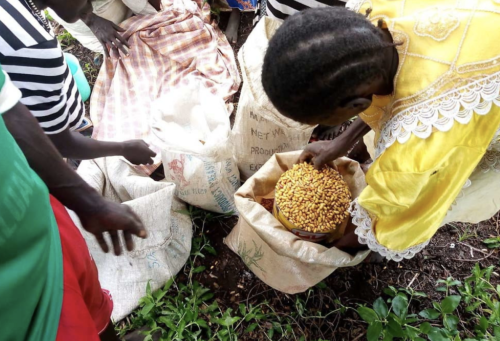
Our humanitarian services aim to provide rapid, coordinated relief to victims of natural and manmade disasters, reducing suffering and preventing loss of life
Key initiatives include;
- Provide relief and alleviate suffering of victims of natural and manmade disasters.
- Provision of maternity wings and strengthen the infant’s survival programs in
rural areas. - Liaise with other partners and governmental institution to ensure a coordinated
response to disasters. - Support appropriate sanitation in schools and homes with special focus on girl child and the physically challenged or hygiene in schools.
Gender-Based Violence
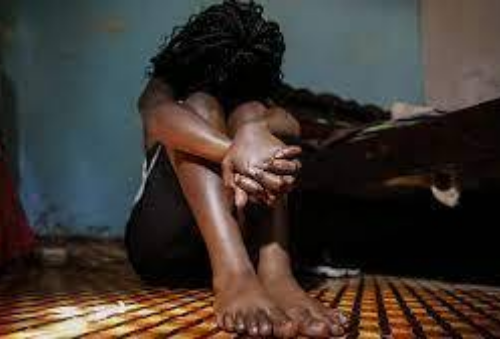
Our Gender-Based Violence (GBV) program focuses on building capacity and supporting government authorities in addressing violence against women and children.
Key components include;
- Capacity building –trainings, workshops, meetings to the government
authorities on gender based violence’s against women and Children. - Assessment of ongoing cases on gender based violence through government
authority’s intervention
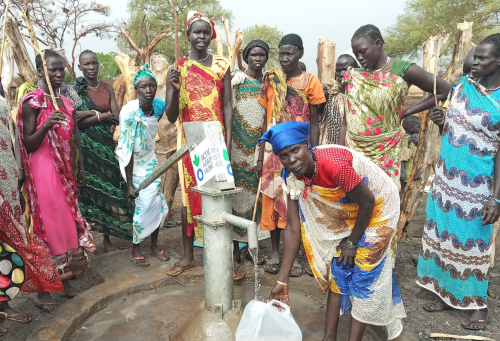
Water Hygiene and Sanitation (WASH)
Our WASH (Water, Sanitation, and Hygiene) program enhances community health by improving water access, sanitation, and hygiene practices.
Key activities include;
- Boreholes rehabilitation and construction.
- Protection (fencing of water sources and water treatment.
- Promotion of sanitation and hygiene in schools and communities.
- Formation, training, and deploying community health and water management
committees. - Training of boreholes pump mechanics and WMCs